A
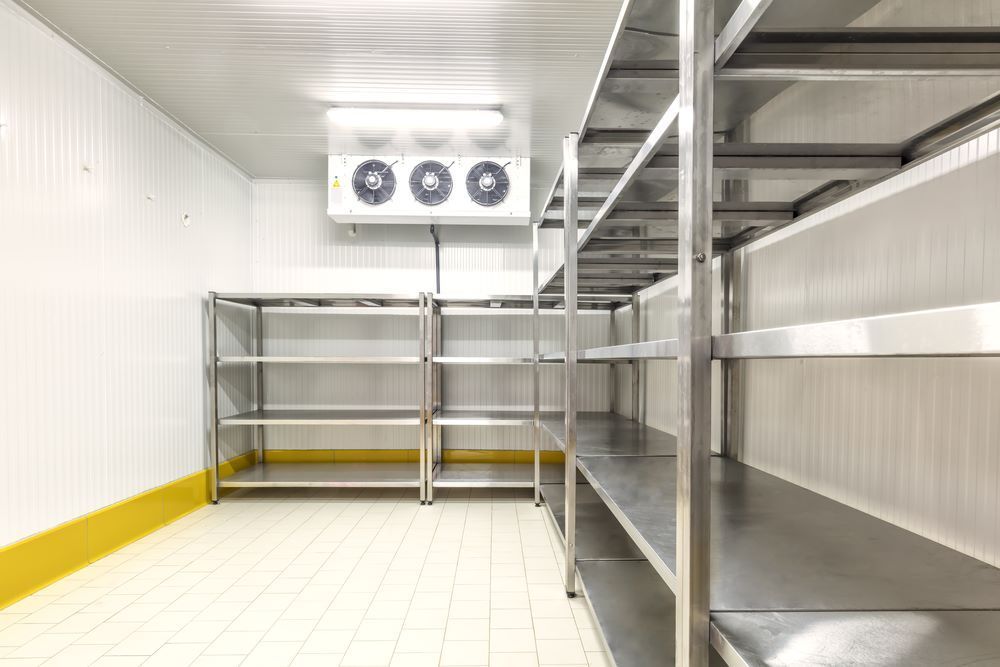
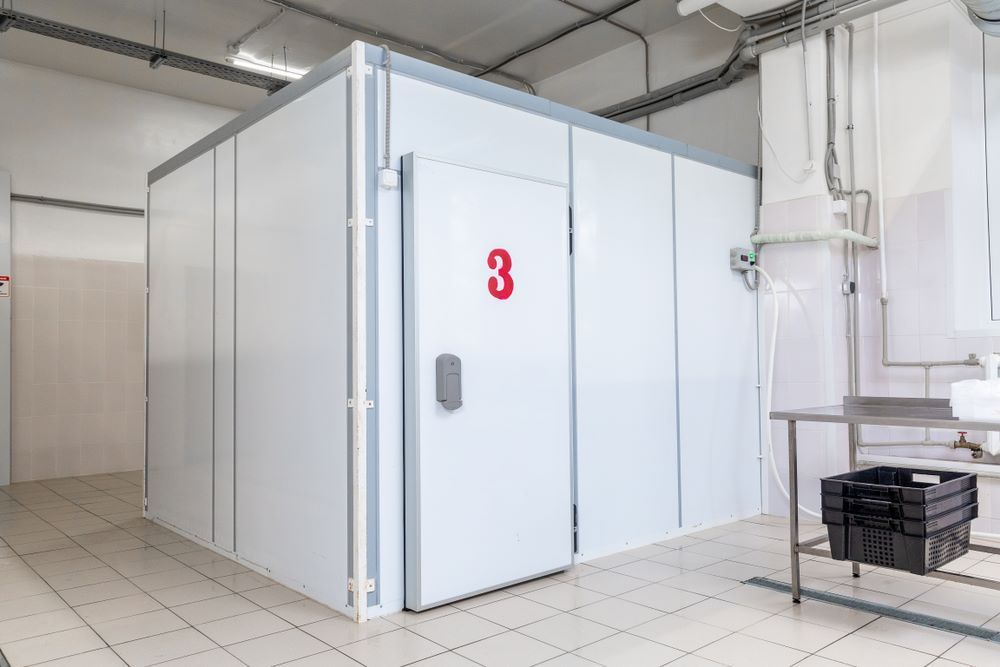
coolroom is a significant investment for any business. Whether you are running a café, a restaurant, a butcher shop, a florist or a food production facility, the reliable performance of your cold storage directly affects your stock, your compliance obligations and your bottom line. Getting the installation right from the start is not optional — it is the foundation on which everything else depends. This blog explains why professional coolroom installation matters, what can go wrong with poor workmanship, whether a DIY approach is viable, and how long the process typically takes for businesses on the Sunshine Coast.
Can a Coolroom Be DIY Installed?
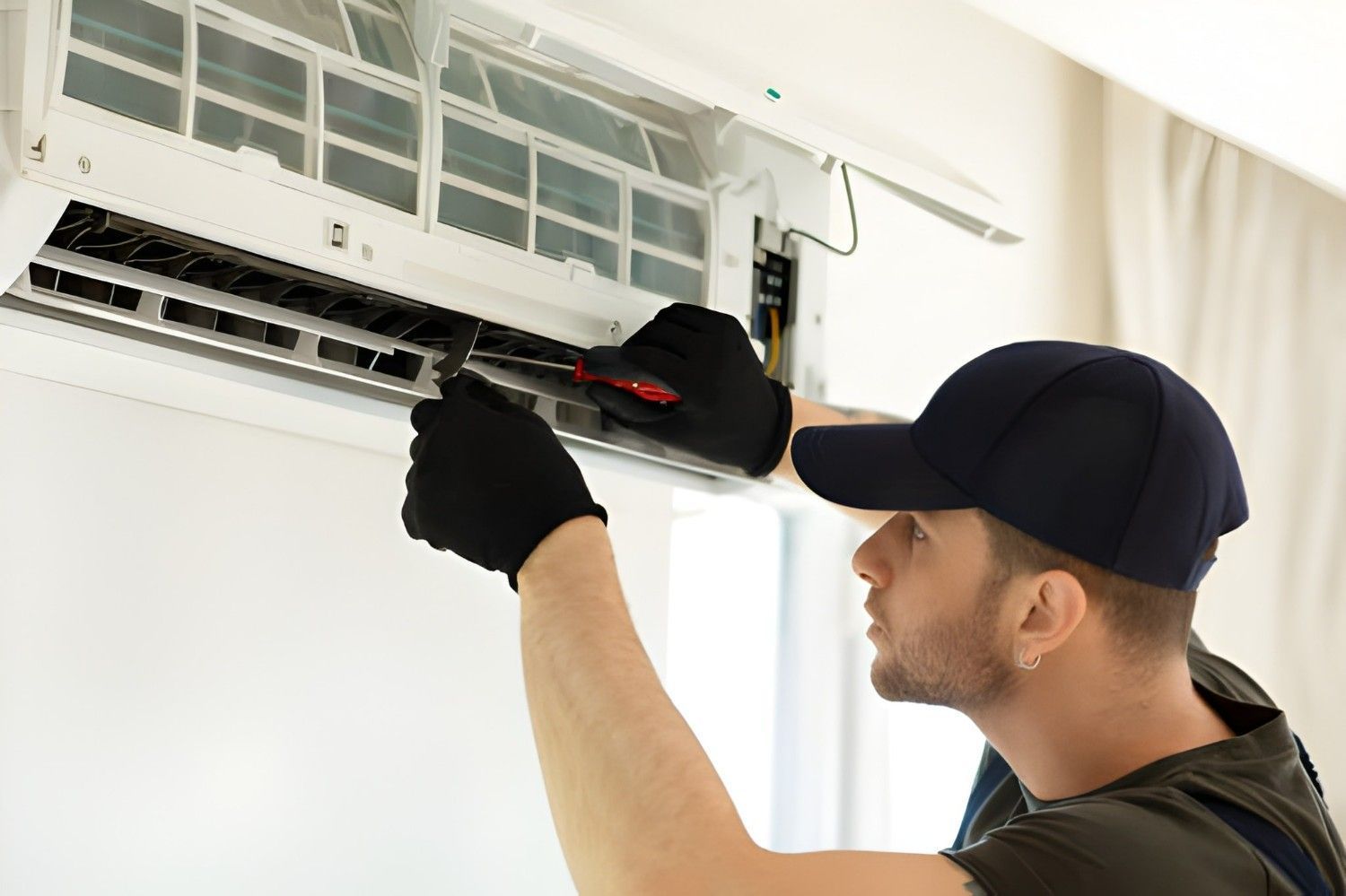
The short answer is no — not legally, and not safely.Commercial coolroom installation involves licensed electrical work, refrigeration system connections and in many cases structural modifications to an existing space. In Queensland, electrical work must be carried out by a licensed electrician, and refrigeration work involving refrigerant handling requires an ARCtick licence issued under the Australian Refrigeration Council. Attempting either without the appropriate licences is illegal and can expose a business owner to significant liability.
Beyond the legal requirements, coolroom installation is technically complex. The refrigeration system must be correctly sized for the internal volume, the ambient temperature of the location and the thermal load — the heat generated by the products being stored. Under-sizing means the system runs continuously without ever reaching target temperature. Over-sizing means short cycling, which reduces efficiency, accelerates component wear and creates uneven temperature distribution inside the room.
The panels themselves need to be assembled and sealed correctly. Gaps in the insulated envelope allow warm air infiltration, which forces the refrigeration system to work harder and can create condensation problems that lead to mould and structural deterioration over time. Floor panels, door seals, evaporator placement and drain installation all require the technical knowledge that comes with experience, not just a set of instructions. For a business owner on the Sunshine Coast, the practical reality is this: the short-term saving of a DIY approach is almost always outweighed by the cost of rectifying the problems it creates.
What Happens If Coolroom Installation Is Poor?
The consequences of substandard coolroom installation range from inconvenient to costly to dangerous.
Temperature instability and stock loss
A coolroom that cannot maintain its target temperature reliably puts perishable stock at risk. For a food business, this is a direct financial loss — but it is also a food safety issue. Temperature abuse in a commercial coolroom can result in bacterial growth that is invisible to the naked eye, creating a public health risk and potential regulatory action.
Refrigerant leaks
Incorrectly installed refrigerant lines or fittings can develop leaks. A leaking system gradually loses its capacity to cool, often in a way that is not immediately obvious — temperatures drift upward slowly rather than failing suddenly. By the time the issue is identified, stock may be compromised and the refrigeration system may have sustained damage from running with insufficient refrigerant. Refrigerant handling and containment is also an environmental compliance issue. Uncontrolled refrigerant release is prohibited under Australian law, and a business found to have an installation that allows refrigerant leakage may face regulatory consequences.
Electrical faults and fire risk
Commercial coolroom systems draw significant power. Incorrectly sized wiring, inadequate protection or non-compliant electrical connections create heat buildup that can damage insulation over time or, in a worst case scenario, cause an electrical fire. This risk is not theoretical — it is one of the documented causes of commercial fires in hospitality and food retail settings.
Condensation, mould and structural damage
Poor panel sealing or inadequate vapour barriers allow moisture to infiltrate the insulated panels. Over time, this degrades the insulation's effectiveness, promotes mould growth and can compromise the structural integrity of the panels themselves. A coolroom that has developed internal moisture problems typically requires significant remediation — often more expensive than correct installation would have been.
Failed regulatory inspections
Commercial food businesses are subject to food safety regulations that include requirements for refrigeration performance and maintenance records. A coolroom that cannot demonstrate consistent temperature compliance may fail a regulatory inspection, potentially resulting in fines or the suspension of food handling operations.
What Professional Installation Covers
A professionally installed coolroom starts with a design phase that accounts for the specific requirements of the application. The internal volume, the types of products being stored, the expected number of door openings per day, the ambient temperature of the installation location and the power supply available all factor into the design of the refrigeration system.
Professional installation includes:
- Site assessment and system specification matched to the application
- Panel assembly with correctly fitted and sealed joins, doors and penetrations
- Licensed electrical connection, including appropriate circuit protection and safety devices
- Licensed refrigeration system installation, including correct refrigerant charging and leak testing
- Evaporator and condenser positioning optimised for airflow and efficiency
- Drain installation to manage condensate correctly
- Commissioning — testing the system under load to confirm it reaches and holds target temperature
- Documentation for food safety records and warranty compliance
All of this work is carried out under the relevant licences, which means it is also insurable and legally defensible if an issue arises later.
How Long Does Coolroom Installation Take?
The timeline for a commercial coolroom installation on the Sunshine Coast depends on the size and complexity of the project, whether an existing space is being fitted out or a new build is involved, and the lead time for panels and refrigeration equipment. For a straightforward installation in a prepared space — where the slab, drainage and power supply are already in place — a small to mid-sized coolroom can typically be installed within one to three days once all materials are on site. Larger installations or those involving structural modifications take longer and require more detailed coordination between trades.
The preparation and lead time before installation day is often where the timeline is most affected. Custom panel configurations, specific refrigeration equipment or builds that require council approval can extend the pre-installation phase by weeks. For businesses planning a new venue or significant fit-out, factoring coolroom lead times into the project schedule early avoids delays. A coolroom installation also requires commissioning time after the physical build is complete. The system needs to run long enough to stabilise at operating temperature and to confirm that it is performing within specification before it is handed over for use. This typically takes several hours and should always be completed before perishable stock is loaded.
Choosing the Right Installer for Your Sunshine Coast Business
Not every refrigeration or electrical business has the specific experience to deliver a commercial coolroom installation correctly. The combination of licensed refrigeration, licensed electrical work, construction experience and knowledge of food safety compliance requirements is a specific skill set — and it is worth confirming before you commit. At Allchin Air Conditioning & Refrigeration Electrical, we hold ARCtick and electrical licences and have been providing
coolroom Sunshine Coast businesses rely on for over 20 years. From design and panel supply through to refrigeration installation, commissioning and ongoing servicing, our team handles the complete scope of commercial cold storage projects for hospitality, retail, food production and commercial clients across the Sunshine Coast.
Get in touch to discuss your project and arrange a site assessment.