How Preventative Maintenance Protects Commercial Cooling Systems
Commercial cooling systems play a critical role in the daily operations of many businesses. From hospitality venues and supermarkets to medical facilities and food suppliers, reliable refrigeration is essential for protecting stock, maintaining compliance and ensuring uninterrupted service. When cooling systems fail unexpectedly, the consequences can quickly become expensive and disruptive.
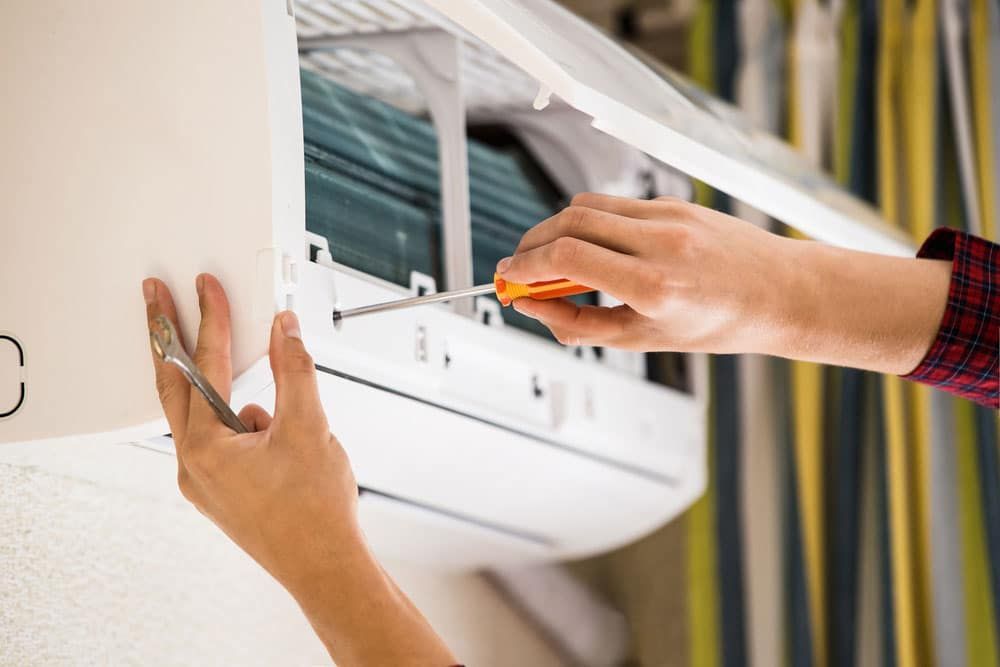
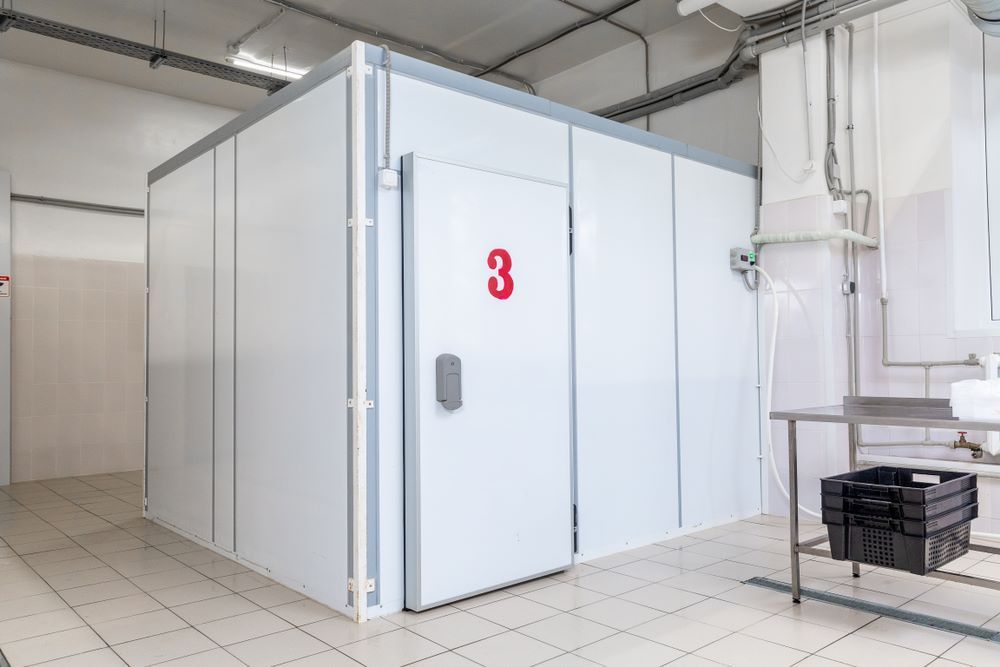
Preventative maintenance helps businesses reduce the likelihood of breakdowns while supporting better system performance over the long term. Rather than waiting for faults to appear, scheduled servicing allows technicians to identify issues early and keep equipment operating efficiently. For businesses relying on a coolroom on the Sunshine Coast, preventative maintenance is often one of the most effective ways to protect both operations and inventory.
Why Preventative Maintenance Matters
Commercial cooling systems operate continuously in demanding environments, often running around the clock to maintain stable temperatures. Over time, wear and tear naturally affects components, airflow and system efficiency. Without regular servicing, small problems can gradually become larger mechanical failures.
Preventative maintenance helps businesses by:
- Identifying worn or failing components early.
- Keeping refrigeration systems operating efficiently.
- Reducing the likelihood of unexpected breakdowns.
Many cooling issues develop gradually rather than appearing suddenly. Regular inspections allow technicians to monitor performance trends and resolve problems before they interrupt business operations.
How Often Commercial Cooling Systems Should Be Serviced
The ideal maintenance schedule depends on factors such as system size, operating conditions and how heavily the equipment is used. Businesses that open refrigeration units frequently or operate in high-demand environments may require more frequent servicing than lower-use facilities.
Maintenance schedules commonly involve:
- Quarterly servicing for heavily used commercial systems.
- Biannual inspections for lower-demand operations.
- Additional checks during peak seasonal periods.
A professional technician can recommend a servicing schedule based on the specific requirements of the business. Consistent maintenance helps ensure cooling systems continue operating safely and reliably throughout the year.
The Risks of Skipping Maintenance
Delaying or skipping maintenance may appear to save money initially, but it often increases the risk of costly repairs later. Cooling systems rely on multiple components working together efficiently, and when one part begins to fail, it can place additional strain on the rest of the system.
Without regular servicing, businesses may experience:
- Reduced cooling efficiency and inconsistent temperatures.
- Increased energy consumption and operating costs.
- Higher risk of breakdowns during busy trading periods.
In some cases, neglected maintenance can shorten the overall lifespan of the refrigeration system. Addressing small issues early is usually far more cost-effective than dealing with major repairs or full system replacement later.
Protecting Stock From Temperature Failures
For businesses storing food, beverages, pharmaceuticals or temperature-sensitive products, refrigeration reliability directly affects stock protection. Even short periods of temperature instability can place products at risk and create compliance concerns.
Preventative maintenance helps reduce stock loss by:
- Ensuring systems maintain stable operating temperatures.
- Identifying refrigerant or airflow problems early.
- Reducing the chance of sudden cooling failures.
Businesses relying on a coolroom on the Sunshine Coast often face additional pressure during warmer weather when refrigeration systems work harder to maintain temperatures. Routine servicing helps ensure systems remain capable of handling these higher demands.
Improving Energy Efficiency
Commercial refrigeration systems can contribute significantly to ongoing energy costs. Dirty coils, blocked airflow and worn components often force systems to work harder than necessary, increasing electricity usage over time.
Energy-focused maintenance may involve:
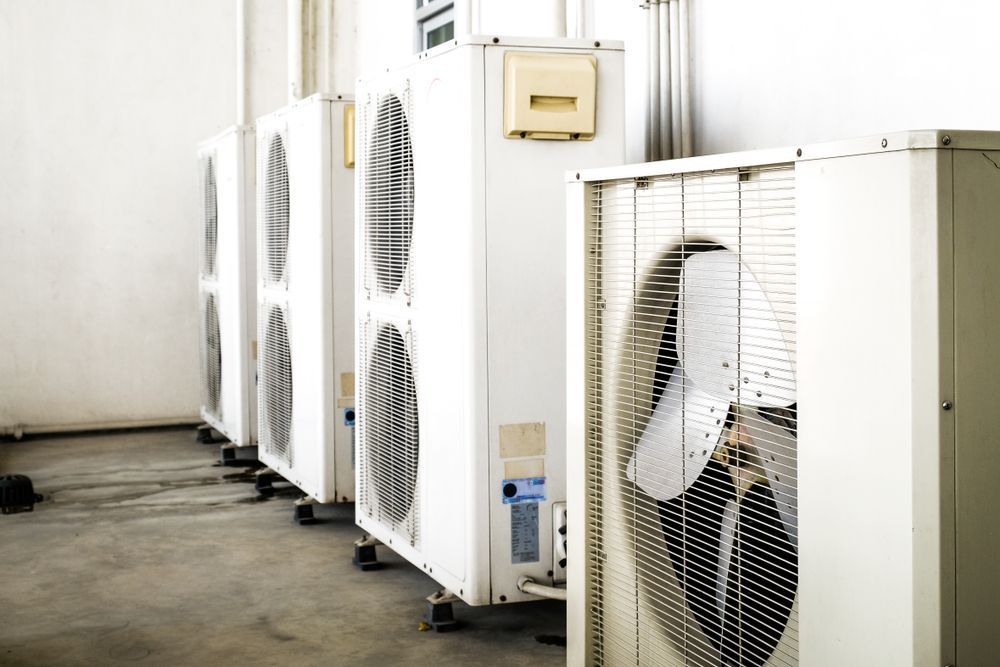
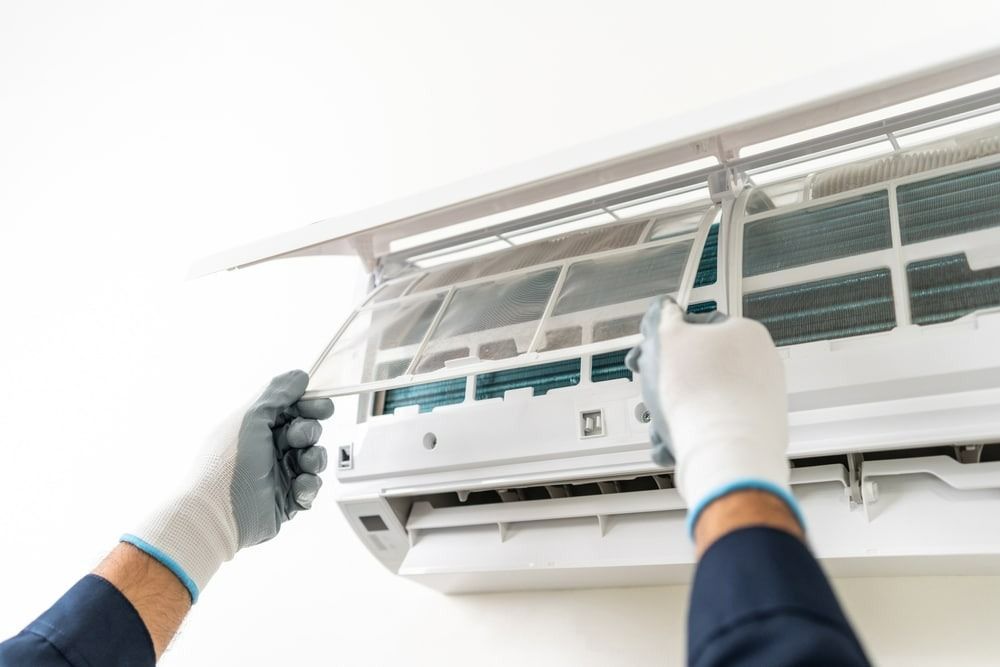
- Cleaning condenser coils and ventilation areas.
- Checking refrigerant levels and system pressures.
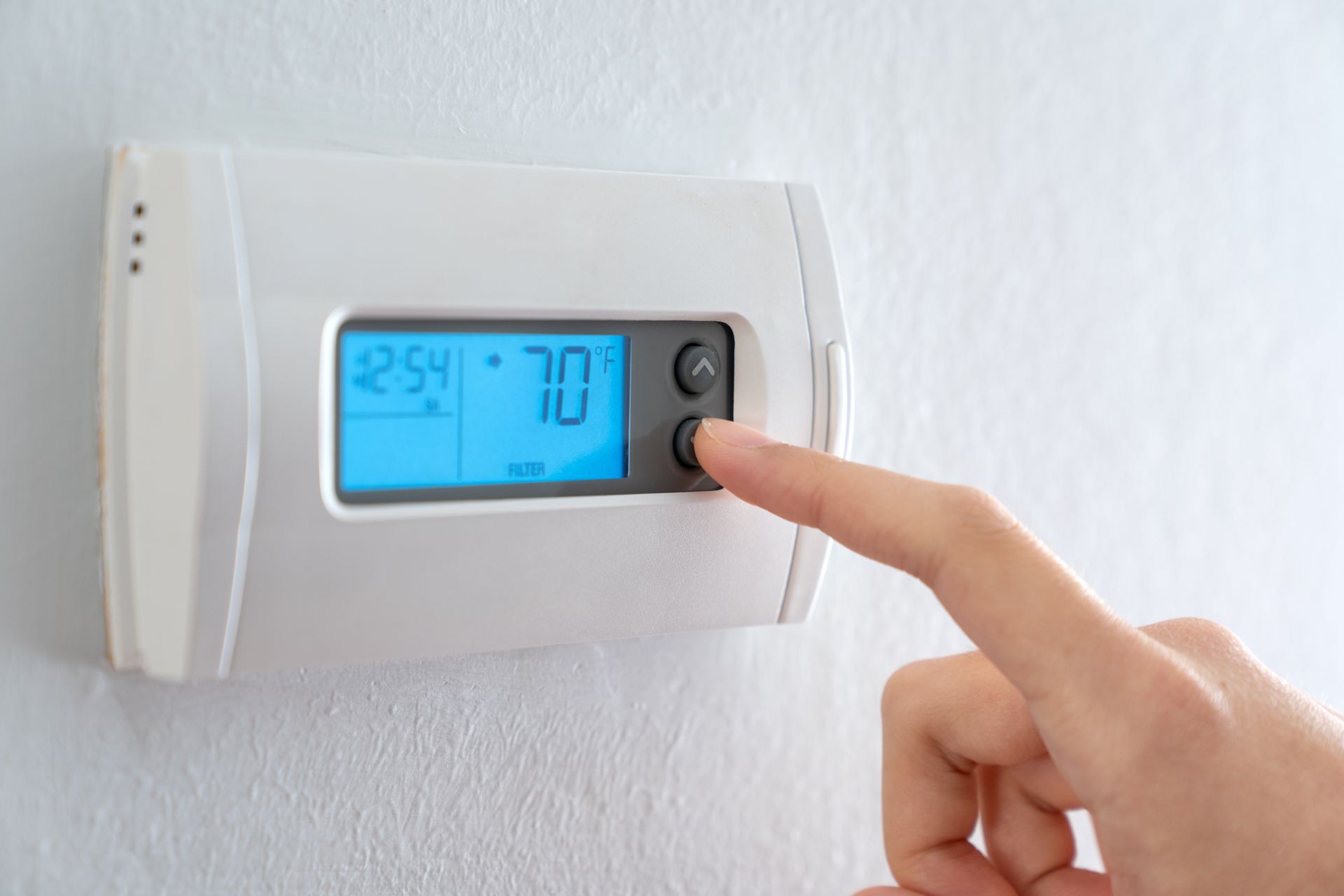
- Testing fans, motors and thermostat performance.
Keeping systems operating efficiently not only reduces energy consumption but also helps minimise unnecessary strain on refrigeration components. This can contribute to both lower running costs and improved system longevity.
Supporting Compliance & Food Safety
Many industries must comply with strict food storage, refrigeration and workplace safety regulations. Inconsistent cooling performance or poorly maintained equipment can create compliance risks, particularly for businesses handling perishable goods.
Preventative maintenance supports compliance by:
- Helping maintain safe storage temperatures consistently.
- Identifying faults that could affect food safety standards.
- Providing servicing records for operational documentation.
Regular maintenance demonstrates that refrigeration systems are being managed responsibly and monitored appropriately. This can provide valuable reassurance during audits, inspections or internal compliance reviews.
Reducing Emergency Repairs & Downtime
Unexpected refrigeration failures often happen at the worst possible time, including during busy trading periods or warmer weather when systems are under additional strain. Emergency breakdowns can disrupt operations quickly and create significant inconvenience for staff and customers.
Scheduled servicing helps businesses reduce downtime through:
- Early detection of mechanical or electrical faults.
- Preventative replacement of worn components.
- Improved reliability during peak operating periods.
Reducing emergency callouts also allows businesses to manage maintenance more proactively rather than reacting to urgent system failures. This creates greater operational stability over time.
Extending the Lifespan of Refrigeration Equipment
Commercial refrigeration systems represent a significant investment for many businesses. Replacing major equipment can involve substantial costs, particularly when downtime and installation requirements are considered alongside the equipment itself.
Long-term maintenance helps protect equipment by:
- Reducing unnecessary strain on compressors and motors.
- Maintaining cleaner and more stable operating conditions.
- Addressing minor faults before they cause larger failures.
Businesses that maintain their cooling systems consistently often achieve longer operational lifespans from their equipment while reducing the likelihood of premature replacement costs.
Choosing a Maintenance Provider That Understands Commercial Operations
Commercial refrigeration maintenance requires more than basic mechanical knowledge. Businesses benefit from working with technicians who understand the operational demands of commercial environments and the importance of minimising disruption.
A reliable refrigeration provider will generally:
- Tailor servicing schedules to business requirements.
- Communicate clearly about system condition and repairs.
- Prioritise practical solutions that support ongoing operations.
This level of support helps businesses plan maintenance effectively while ensuring refrigeration systems continue operating as reliably as possible.
Keeping Commercial Cooling Systems Reliable Year-Round
Preventative maintenance plays a critical role in protecting commercial refrigeration systems, supporting compliance and reducing operational risks for businesses that rely on consistent cooling performance. By identifying issues early and maintaining system efficiency, scheduled servicing helps businesses avoid unnecessary disruptions and better protect valuable stock.
We at Allchin Airconditioning & Refrigeration understand how important reliable refrigeration is for businesses operating across a wide range of industries. Whether you rely on a coolroom on the Sunshine Coast for food storage, hospitality operations or commercial refrigeration needs, our team provides practical maintenance solutions designed to support long-term performance and reliability. From scheduled servicing to preventative repairs, we help businesses keep their cooling systems operating efficiently throughout the year.